
Retrospective Property Valuations for Past Dates
Retrospective Property Valuations in Melbourne
A retrospective property valuation, also known as a backdated or historical property valuation, determines the market value of a property as at a specified date in the past. ValuConsult provides independent retrospective property valuations throughout Melbourne and Victoria for Capital Gains Tax (CGT), deceased estates, probate, family law, property settlements and other legal or financial purposes.
Unlike a current property valuation, a retrospective assessment considers market conditions, comparable property sales and the property's characteristics as at the relevant historical date. Where the property has subsequently been renovated, extended or otherwise altered, these changes must be considered to establish its likely condition and improvements at the valuation date. The assessment is supported by available historical evidence, with appropriate assumptions and limitations disclosed in the valuation report.
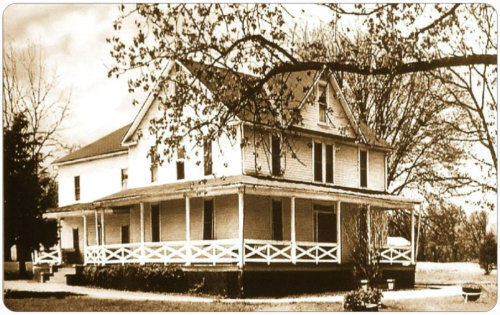
Historical Property Condition and Market Changes
A retrospective property valuation must reflect the property's characteristics, condition and market circumstances as at the specified historical valuation date, rather than those prevailing at the time of inspection.
Subsequent renovations, extensions, alterations or deterioration must be identified and considered when establishing the property's likely condition at the relevant date. Changes to surrounding development, infrastructure, amenities and market conditions must also be distinguished from circumstances existing at that time.
Establishing historical property condition may require examination of previous sales listings, photographs, building plans, council records, aerial imagery and other available documentation. The valuer must assess the reliability of this evidence and disclose material assumptions or limitations where historical information is incomplete.
Can a Retrospective Valuation Be Undertaken Without an Inspection?
Yes. A retrospective property valuation may be undertaken without an internal inspection where sufficient reliable information is available to support the assessment.
This may be necessary where a property has been demolished, substantially redeveloped, sold or is otherwise inaccessible. Historical photographs, property records, building plans, previous sales information and other documentary evidence may assist in reconstructing its characteristics at the relevant valuation date.
Where appropriate and practicable, an external inspection may provide additional information about the site and surrounding locality. However, a current inspection does not, by itself, establish the property's historical condition.
Any material uncertainty arising from incomplete historical information must be considered and appropriately disclosed. Where sufficient reliable evidence cannot be obtained, the valuer must determine whether a supportable retrospective valuation can be provided.
How Is a Retrospective Property Valuation Determined?
A retrospective property valuation assesses the property's market value as at a specified date in the past, based on relevant market evidence and the property's characteristics at that time.
The valuation process generally involves:
- 1Establishing the historical valuation date: Identifying the relevant date according to the purpose of the valuation, such as Capital Gains Tax, probate, family law or property settlement.
- 2Reviewing historical property information: Examining available title particulars, land dimensions, improvements, planning controls, photographs and other records relevant to the valuation date.
- 3Researching comparable property sales: Identifying and analysing sales of comparable properties occurring around the historical valuation date, with consideration given to location, land area, building characteristics, condition and other relevant differences.
- 4Assessing historical market conditions: Considering prevailing property market trends, buyer demand, supply and other relevant circumstances at the valuation date.
- 5Determining historical market value: Reconciling the available evidence to arrive at a supportable opinion of market value, with material assumptions, limitations and uncertainties appropriately disclosed.
Where historical sales evidence is limited, additional research and professional judgement may be required. The reliability of the valuation depends on the quality and relevance of the available evidence.
Frequently Asked Questions About Retrospective Property Valuations
1. How Far Back Can a Retrospective Property Valuation Go?
There is no fixed time limit for undertaking a retrospective property valuation. A property may be valued as at a date many years or even decades in the past, provided sufficient reliable historical information is available. However, the further back the valuation date, the greater the potential difficulty in obtaining relevant sales evidence, property records and information about the property's historical condition.
2. Can a Property Be Valued Retrospectively After Renovations?
Yes. A retrospective valuation can be undertaken even if the property has subsequently been renovated, extended or substantially altered. The assessment must reflect the property's characteristics and condition at the historical valuation date, rather than its present condition. Historical photographs, building plans, previous sales listings and other available records may assist in establishing the improvements existing at that time.
3. Can a Retrospective Property Valuation Be Used for Capital Gains Tax?
Yes. A retrospective property valuation may be required to establish a property's market value at a relevant historical date for Capital Gains Tax (CGT) purposes, where the applicable taxation provisions require a market value assessment. The relevant valuation date depends on the property's ownership history and circumstances. Property owners should seek advice from their accountant or tax adviser regarding the applicable CGT requirements.
Further information about property-related CGT obligations is available from the Australian Taxation Office (ATO).
4. What Information Is Required for a Backdated Property Valuation?
Typically, the property address, required historical valuation date and purpose of the valuation are needed. Where available, historical photographs, floor plans, renovation records, previous sales information and details of the property's condition at the relevant date can assist the assessment. The valuer may also undertake independent research into historical property records and comparable sales.
5. How Long Does a Retrospective Property Valuation Take?
The timeframe depends on the property's characteristics, the historical valuation date and the availability of relevant information. Valuations involving older dates, substantial property alterations or limited historical records may require additional research. ValuConsult can advise on the anticipated timeframe after reviewing the property's particulars and the scope of the assignment.
CALL 03 8618 6800